Navigating Body Dysmorphia: The Psychological Journey of Bodybuilders
Body dysmorphia, particularly prevalent among bodybuilders transitioning from bulking phases to weight cuts for competitions, can exert a profound psychological toll. During the bulking phase, bodybuilders intentionally gain weight to build muscle mass, often resulting in a sense of power and accomplishment. However, as they approach the cutting phase, characterized by extreme fat loss to achieve the desired lean physique for competition Written by John Larson, Certified Personal Trainer at Life Time Fitness in St. Louis.
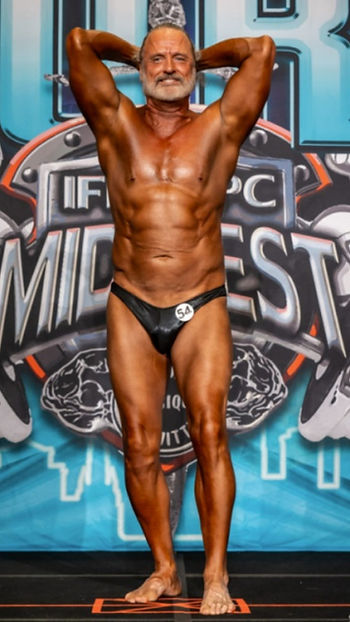
Body dysmorphia, particularly prevalent among bodybuilders transitioning from bulking phases to weight cuts for competitions, can exert a profound psychological toll. During the bulking phase, bodybuilders intentionally gain weight to build muscle mass, often resulting in a sense of power and accomplishment. However, as they approach the cutting phase, characterized by extreme fat loss to achieve the desired lean physique for competition, bodybuilders may experience distressing emotions when they perceive themselves as heavier than their contest weight. This shift can trigger heightened anxiety, self-doubt, and dissatisfaction with body image.
The experience of being heavier than contest weight can evoke a range of negative emotions in bodybuilders. They may feel a sense of failure or inadequacy, fearing that they won't achieve their desired physique in time for competition. Additionally, the discrepancy between their current appearance and their idealized image can lead to feelings of frustration and disappointment, undermining their confidence and motivation. This distorted perception of their body may exacerbate insecurities and intensify preoccupation with physical appearance, fueling unhealthy behaviors such as extreme dieting or overtraining.
To mitigate the psychological impact of transitioning from bulking to cutting phases, bodybuilders can implement various strategies to foster resilience and maintain a positive mindset. Firstly, cultivating self-compassion is crucial, as it enables individuals to acknowledge and accept their imperfections without harsh self-criticism. Engaging in mindfulness practices, such as meditation or deep breathing exercises, can help bodybuilders develop greater awareness of their thoughts and emotions, promoting emotional regulation and stress management. Moreover, seeking support from peers, coaches, or mental health professionals can provide invaluable encouragement and perspective, validating their experiences and offering constructive coping strategies.
Embracing a holistic approach to well-being is essential for bodybuilders navigating the challenges of body dysmorphia during weight fluctuations. Prioritizing self-care activities that nurture both the body and mind, such as adequate rest, balanced nutrition, and leisure pursuits, fosters a sense of equilibrium and resilience in the face of adversity. Moreover, reframing setbacks as opportunities for growth and learning can empower bodybuilders to cultivate a more adaptive mindset, emphasizing progress over perfection. By fostering a sense of agency and self-efficacy, individuals can navigate the ups and downs of their fitness journey with greater resilience and self-compassion, ultimately fostering a more balanced and fulfilling relationship with their bodies.
John "Wyld Stile" Larson
12 certifications spanning training, yoga, nutrition, emergency response, and competition.
Work With John
Ready to apply this in a real program? Explore services or book a free consultation. Fueling matters too: shop my Life Time LTH supplement recommendations.
Frequently Asked
What is this article about?
Body dysmorphia, particularly prevalent among bodybuilders transitioning from bulking phases to weight cuts for competitions, can exert a profound psychological toll. During the bulking phase, bodybuilders intentionally gain weight to build muscle mass, often resulting in a sense of power and accomplishment. However, as they approach the cutting phase, characterized by extreme fat loss to achieve the desired lean physique for competition
Who wrote this article?
John Larson, a Certified Personal Trainer, Yoga Therapist, and Nutrition Coach based in St. Louis, Missouri at Life Time Fitness.
Where can I train with John Larson?
John trains clients in person at Life Time Fitness in St. Louis, Missouri. You can book a free consultation on the contact page.
Does John offer nutrition coaching alongside training?
Yes. John builds InBody-informed nutrition frameworks that pair with every training program — strength, mobility, and nutrition work together.